
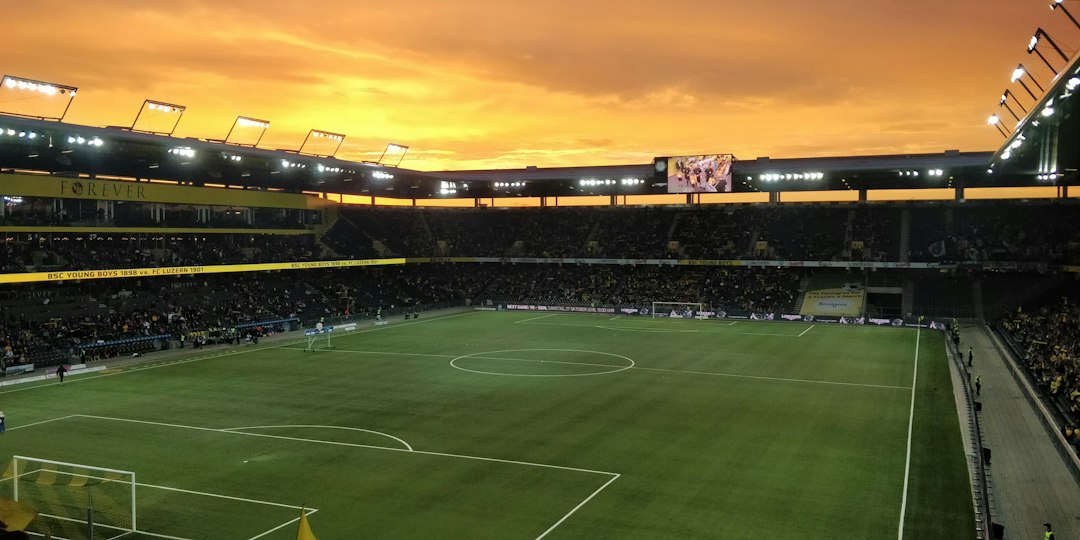
Every major European league has its own flavour, shaped by history, coaching culture and money. Knowing the general character of each helps you place a fixture in context. But these are generalisations, and leagues evolve, so treat them as a starting point.
England
The Premier League is known for intensity, pace and depth. Many clubs have strong squads, so competition is broad and upsets are common. Matches are often end-to-end, and physical demands are high.
Spain
La Liga prizes technique and possession. A small group of clubs holds a resource advantage, but mid-table sides are often well-organised and difficult to beat at home. Warm climates can influence tempo.
Germany
The Bundesliga emphasises pressing, quick transitions and large, vocal crowds. Young players feature heavily, and squads turn over quickly, so form can fluctuate.
Italy
Serie A has a tradition of tactical discipline and detailed preparation. Formations can change from match to match, and while the league is no longer purely defensive, tight games are common.
France
Ligue 1 mixes a few financially powerful clubs with many ambitious, youth-oriented ones. The geographic spread of clubs adds travel demands.
Keeping Impressions Current
Check this season’s goals per game, home advantage and tactical trends rather than relying on reputation. Predictions are opinions for information and entertainment and should be used responsibly and within the law.
Frequently Asked Questions
Which league has the most upsets?
The Premier League is often described that way, though it varies by season.
Why do squads matter in the Bundesliga?
High turnover makes older data less relevant.
Is Serie A still defensive?
Less so than its reputation.
Should I rely on league reputations?
Only as a starting point.
Are predictions certain?
No.
Visit BetsMode for daily football predictions and analysis.